01 / PROJECT FIT
Application & selection
Record your parts, current capacity and main bottlenecks. Photograph the booth, recovery, ovens, conveyor and controls.
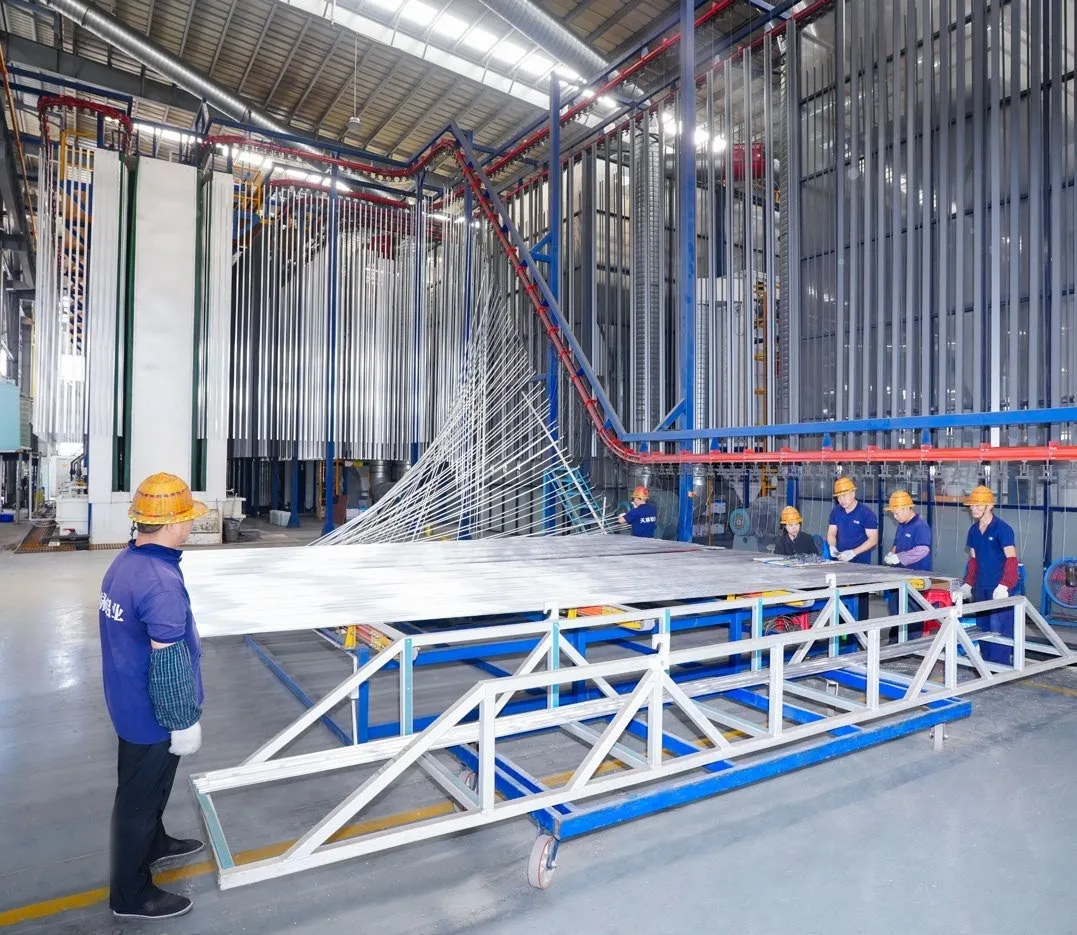
Document the existing line before defining the scope and production transition.
Request a quote →View site galleryRecord your parts, current capacity and main bottlenecks. Photograph the booth, recovery, ovens, conveyor and controls.
Review building and equipment interfaces, utilities, drawings and planned downtime. A site assessment is needed to determine what can be retained.
Process, equipment and service scope are confirmed for each project.
Send your layout and a list of issues to discuss possible changes.
Discuss your project →Process, equipment and service scope are confirmed for each project.
The most common retrofit failure is not a technical one — it is replacing parts without diagnosis. A new booth is installed and transfer efficiency does not improve, because the real problem was leaking recovery ducting. A new curing oven goes in and colour difference remains, because oven temperature uniformity was never measured.
Diagnosis should cover at least: measured transfer efficiency, measured oven temperature curve, pretreatment bath condition and adhesion spot checks, conveyor condition, and current dust and emission status. Only then does a retrofit list have a basis.
One: recovery failure causing low transfer efficiency. Two: colour change too slow to accept small batches. Three: pretreatment out of specification causing batch adhesion failures. Four: uneven oven temperature causing colour difference. Five: powder dropping from the chain and accumulating, causing appearance defects.
In most plants only one or two of these are the real bottleneck. Changing all five at once costs a great deal and produces little visible gain.
A practical test: if the bottleneck sits in modules that can be replaced independently — booth, recovery, controls — retrofit pays. If it involves oven structure, main conveyor or building load capacity, a new build is usually more controllable.
The second signal is capacity requirement. A moderate increase suits retrofit; a doubling of output will hit a new bottleneck shortly after the retrofit is finished.
How long is the shutdown for a retrofit?
It depends on whether the main conveyor and oven are involved. Staged projects can be compressed into a shorter window; structural work needs a planned shutdown.
Can we keep producing during the work?
Partly. Completing off-line sections first and then switching over in a concentrated window is the usual approach.
What if there are no drawings of the old line?
Key dimensions are re-established by site measurement. The survey workload increases, but feasibility is unaffected.